
If your objective is simply to give your people a break from work and have fun, a traditional way of doing team building would be ideal. But if you wish to create an impact, getting people from different department working together to solve a REAL issue from the organization or even the country is facing.
Design Thinking Team Building is your answer. We would customize the learning to focus more on personal behavior in teams, communicating and listening to one another. Working with diverse background, brainstorming and respecting each other ideas. Moving from individualistic culture to group collaboration.
Activities to move from being an INDIVIDUAL to being a TEAM.
Chances are you have and most likely you were not given tools for how to effectively collaborate with them.
At the Design Thinking Asia we get it. We almost always work in mixed teams – combining different backgrounds, instructors, students and disciplines – because we believe that solving complex problems requires diversity in thinking. However, working in such diverse teams can be challenging; we see this a lot as educators. We’ve designed this kit as a tool to help teammates overcome these challenges and begin working as a unit.
The Team Cohesion Kit is a ‘pressure-cooking’ device for new and old teams alike. Whether it’s to build understanding amongst individuals or to test group assumptions, we aim to foster cohesiveness through exposure to different ways of working. We speak from experience as Teaching Fellows: if there’s anything that we as experienced designers know, it’s that there’s no one right way to solve a problem. The ability to maneuver through different thought processes is what creates a cohesive team
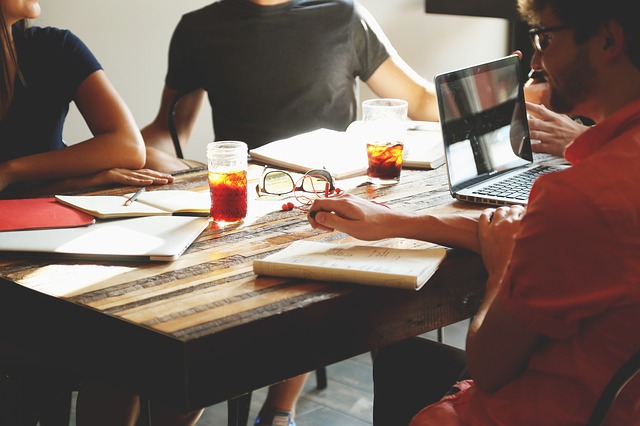
What this means for a firm practising design thinking is that teams could be arranged around projects, everyone gets an equal seat at the table and opportunity to contribute to his or her team. It’s not about titles or hierarchy, but rather the design thinking ideology and users’ needs at the end of the day that prevail.
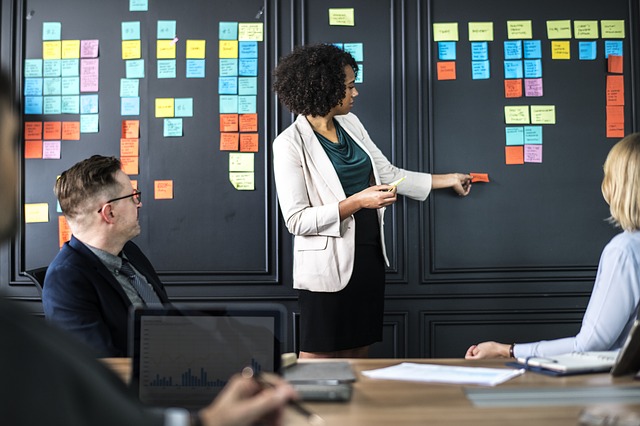
The true potential of design thinking is its collaborative force of bringing the disciplines together to create a team that has the ability to look at things holistically.
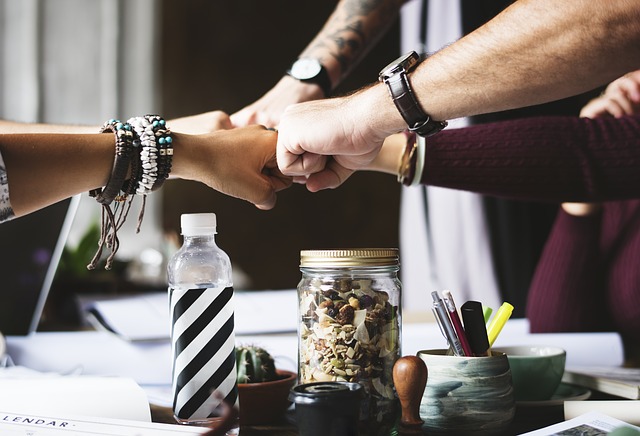
Team members start talking about “our responsibilities” rather than “my responsibilities” and the job is not done until all team members are done.
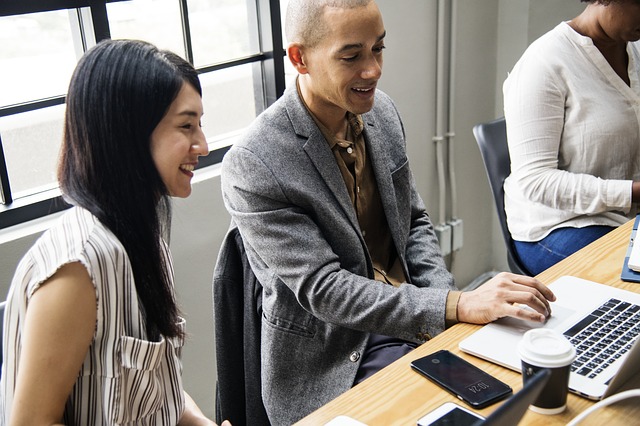
Design thinking is an iterative process where we, as a team, work our way through the process of Exploration, Creation to Implementation.
Instead of telling us what we cannot do, constraints help us reframe the problem and discover new opportunities along the way.

The key difference is that we see failure as learning opportunities. Any failed hypothesis should inform us as to what didn’t work and fail in the hypothesis

According to John Maeda of the Rode Island School of Design, when people are challenged and have the freedom to be creative, they are happy. When a team can come together around a creative cause or a wicked problem, they want to come to work every day, to practice their design thinking skills to that extent!